
Sponsored article
Diving into the world of circuit design can seem daunting at first, but it is a journey worth embarking on. Understanding the basics of circuit design opens doors to a myriad of innovations in electronics. This guide is crafted for beginners and aims to demystify the key elements and concepts that form the backbone of circuit creation. From familiarizing yourself with fundamental components to learning how to interpret circuit diagrams, each step brings you closer to mastering this essential skill in electronics.
Understanding electronic components is essential for anyone venturing into circuit design, especially beginners. At the heart of every circuit design are key circuit elements: resistors, capacitors, and transistors. Each of these plays a pivotal role in the functioning of electronic devices. Resistors are designed to limit the flow of electric current, allowing for controlled distribution of power. Capacitors store and release energy in the form of an electric charge, which is crucial for stabilizing voltage and smoothing incoming power. Meanwhile, transistors are versatile switches or amplifiers, pivotal in controlling and amplifying electrical signals. By understanding how these electronic components function, you can begin to appreciate the complexity and beauty of electronic circuit design.
These components work synergistically within a circuit design to perform complex tasks. For example, in a typical circuit:
A successful circuit design involves harmoniously integrating these elements to ensure smooth and efficient functionality. By mastering these basics, you will build a solid foundation for more advanced electronic projects in the future.
Understanding circuit diagrams is a crucial skill in circuit design, allowing engineers and hobbyists to create and interpret the blueprint of electrical systems. These schematics serve as a visual representation of the connections and components within an electrical circuit, showcasing how each part interacts with others. To effectively read and create circuit diagrams, one must become familiar with the various circuit symbols that denote different elements, such as resistors, capacitors, transistors, and more. Each symbol is a standardized icon that conveys specific information about the component it represents, making it essential for anyone involved in circuit design to master these symbols for clear communication and efficient project execution. As you delve deeper into the world of electronics, the ability to understand and construct accurate schematics will prove invaluable.
Creating well-organized circuit diagrams ensures that complex electrical designs are easy to follow and troubleshoot. A clear circuit schematic acts as a comprehensive guide, simplifying the process of diagnosing and rectifying potential issues within the design. This is particularly important in collaborative projects or when plans need to be shared among team members, as it ensures consistency and aids others in grasping the design’s intent quickly. By developing skills in reading and crafting circuit diagrams, you enhance the precision and reliability of your electrical projects, paving the way for innovative designs and effective problem-solving in the ever-evolving field of electronics. Circuit diagrams thus not only facilitate the process of circuit design but also embody the concept of turning complex ideas into comprehensible blueprints, essential for success in electronics engineering.
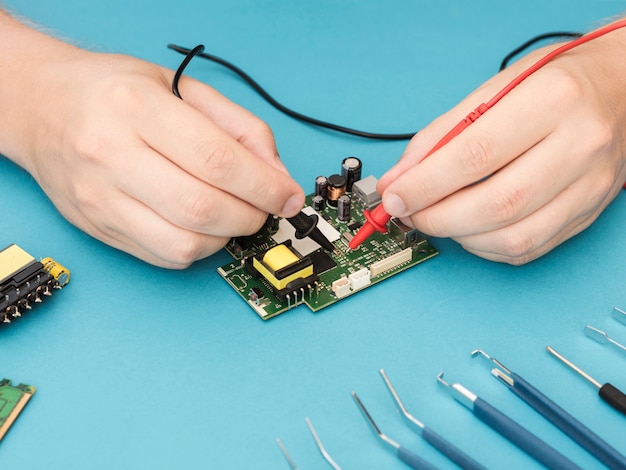
Embarking on the path of circuit design requires an understanding of the essential tools and equipment that facilitate the creation and testing of electronic circuits. Firstly, a multimeter is an indispensable device for measuring voltage, current, and resistance, helping you troubleshoot and ensure your circuit runs smoothly. Equally crucial is the breadboard, which allows designers to experiment with their circuits without the need for soldering, making it perfect for testing and modifying designs on the fly. A soldering iron, however, becomes essential once you’re ready to make permanent connections on a circuit board, allowing for precision and stability in your electronic configurations. Together, these tools constitute the core of any beginner’s electronics toolkit.
Beyond these fundamental tools, a comprehensive electronics toolkit will also include wire cutters, pliers, and a variety of electronic components such as resistors, capacitors, and transistors. These circuit design tools are vital for constructing and altering circuits, providing the flexibility needed to handle a range of electronic projects. With these tools at your disposal, you’ll not only assemble and test circuits effectively but also gain invaluable hands-on experience that will deepen your understanding of electronics. Whether you’re prototyping on a breadboard or finalizing a design with a soldering iron, having the right tools ensures every step of the circuit design process is seamless and educational.