Sponsored article
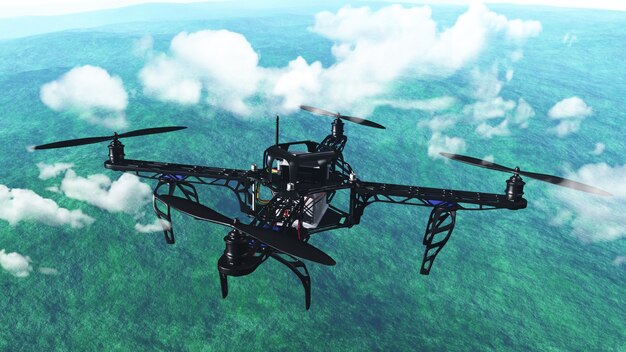
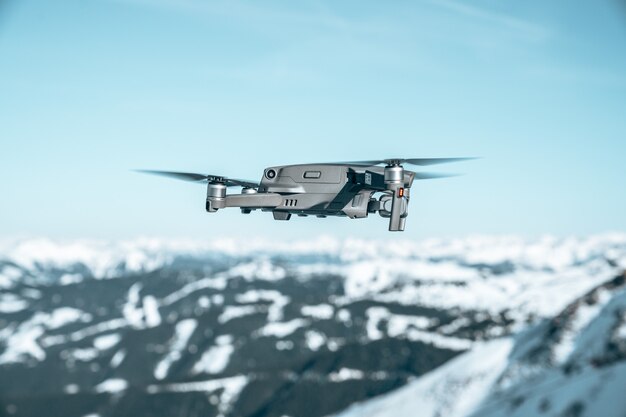
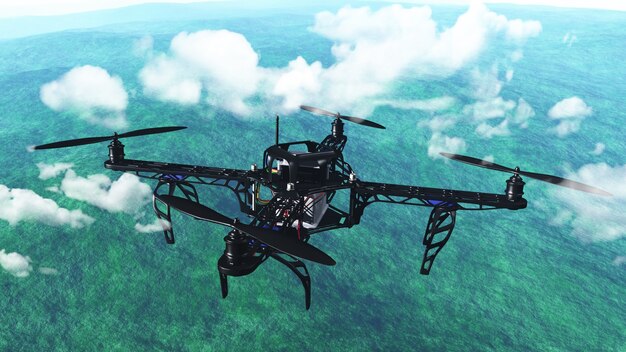
In an era where drones are increasingly prevalent, safeguarding against unauthorized drone activity has become a critical concern for security professionals. Advanced technologies offer powerful tools to detect, identify, and mitigate potential threats posed by rogue drones. From sophisticated detection systems to real-time response mechanisms, technology is at the forefront of protecting airspace and ensuring privacy. This article delves into the innovative solutions that are transforming drone security.
Emerging technologies in drone detection are revolutionizing how we safeguard against unauthorized drone activity. Advanced radar systems are at the forefront, allowing for the precise identification and tracking of drones across extensive areas. These systems use sophisticated algorithms to differentiate between drones and other objects, providing real-time data on their flight paths. Complementing these are acoustic sensors, which pick up the unique sound frequencies emitted by drone motors, enabling detectability even when visual identification is challenging. Moreover, radio-frequency technology plays a crucial role by intercepting the communication signals between drones and their operators. This technology can not only track but also potentially disrupt these signals, aiding in the prevention of unauthorized drone intrusions. Systems like the drone jammer system integrate these advancements to create comprehensive and effective solutions, offering a robust defense against the growing threat of illicit drone activities.
Enhancing security with geofencing and GPS technology has become a cornerstone in combating unauthorized drone activity. By utilizing these advanced technologies, specific drone boundaries can be established, effectively preventing drones from entering restricted areas. Geofencing involves creating a virtual perimeter for a geographic region that drones cannot cross, leveraging GPS to enforce these limits with precision. Geolocation ensures real-time monitoring, allowing authorities to track drone positions continuously and react promptly to violations. The integration of geofencing and GPS provides several security advantages:
These technological measures prove effective in maintaining airspace security and provide a robust blueprint for future drone regulations.
The integration of artificial intelligence and machine learning into drone monitoring systems has revolutionized real-time threat response. As drones become more ubiquitous, distinguishing between legitimate and potentially threatening unmanned aerial vehicles is critical. Advanced AI algorithms can quickly analyze flight patterns, identify anomalies, and detect unauthorized drone activity. Through machine learning, systems continuously improve their ability to recognize the nuances of drone behavior, differentiating between harmless recreational use and drones that pose a significant threat. This proactive approach allows for immediate threat identification and response, ensuring sensitive areas are protected from unwanted intrusions. Real-time response enabled by these technologies ensures that security teams can act swiftly, employing countermeasures before a potential threat materializes. By leveraging the power of artificial intelligence and machine learning, stakeholders can maintain robust defense mechanisms against unauthorized drone activity, effectively safeguarding sensitive zones while accommodating the growth of drone technology.